History
SEITA and the French Tobacco Monopoly
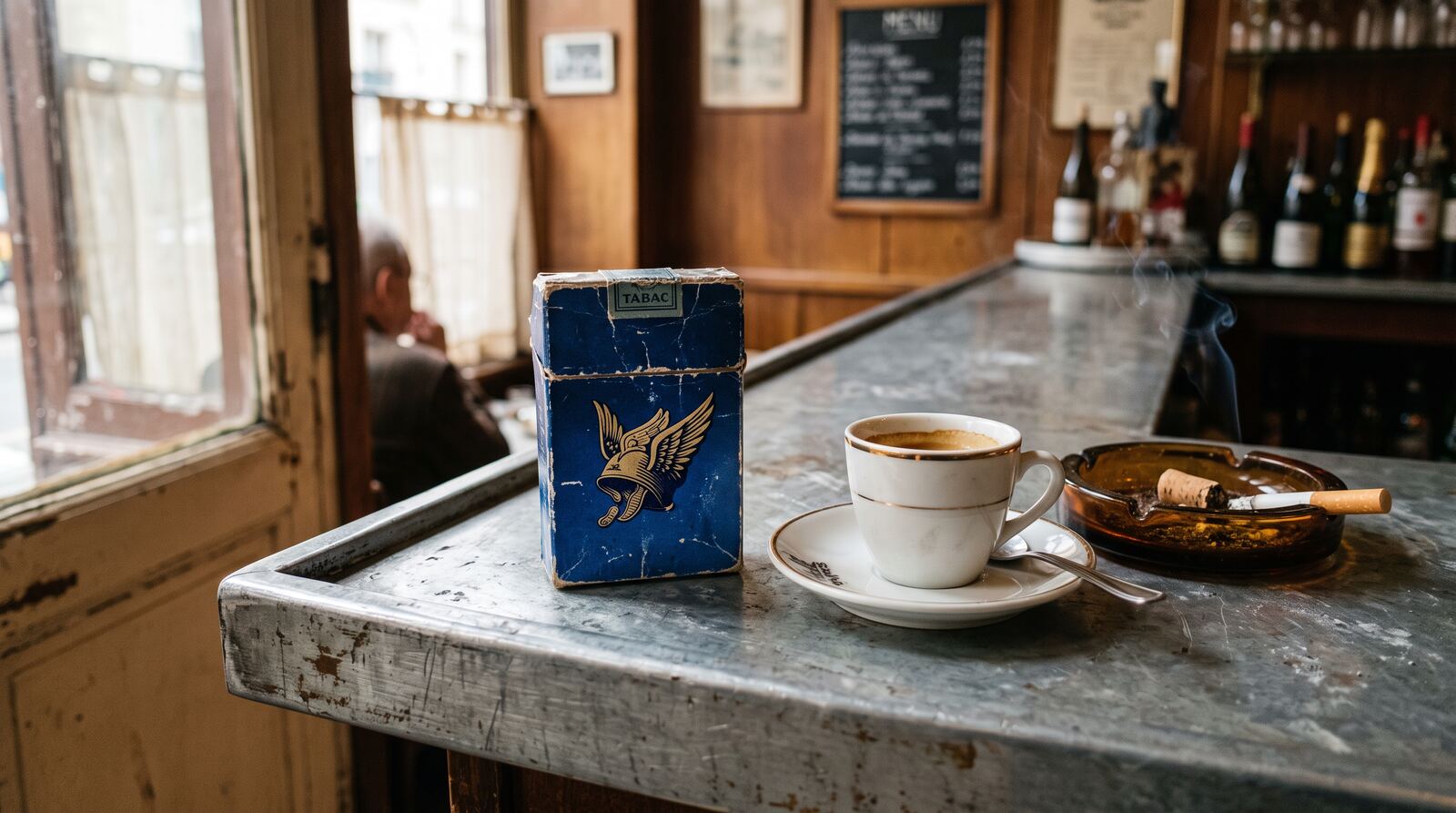
SEITA was the French state company that ran the national tobacco and match monopoly in the 20th century; it was privatized in the 1990s, merged with Spain's Tabacalera into Altadis in 1999 and became part of Imperial Tobacco in 2008.
Updated · Cigars France Editorial Team
Cognac and Cigars →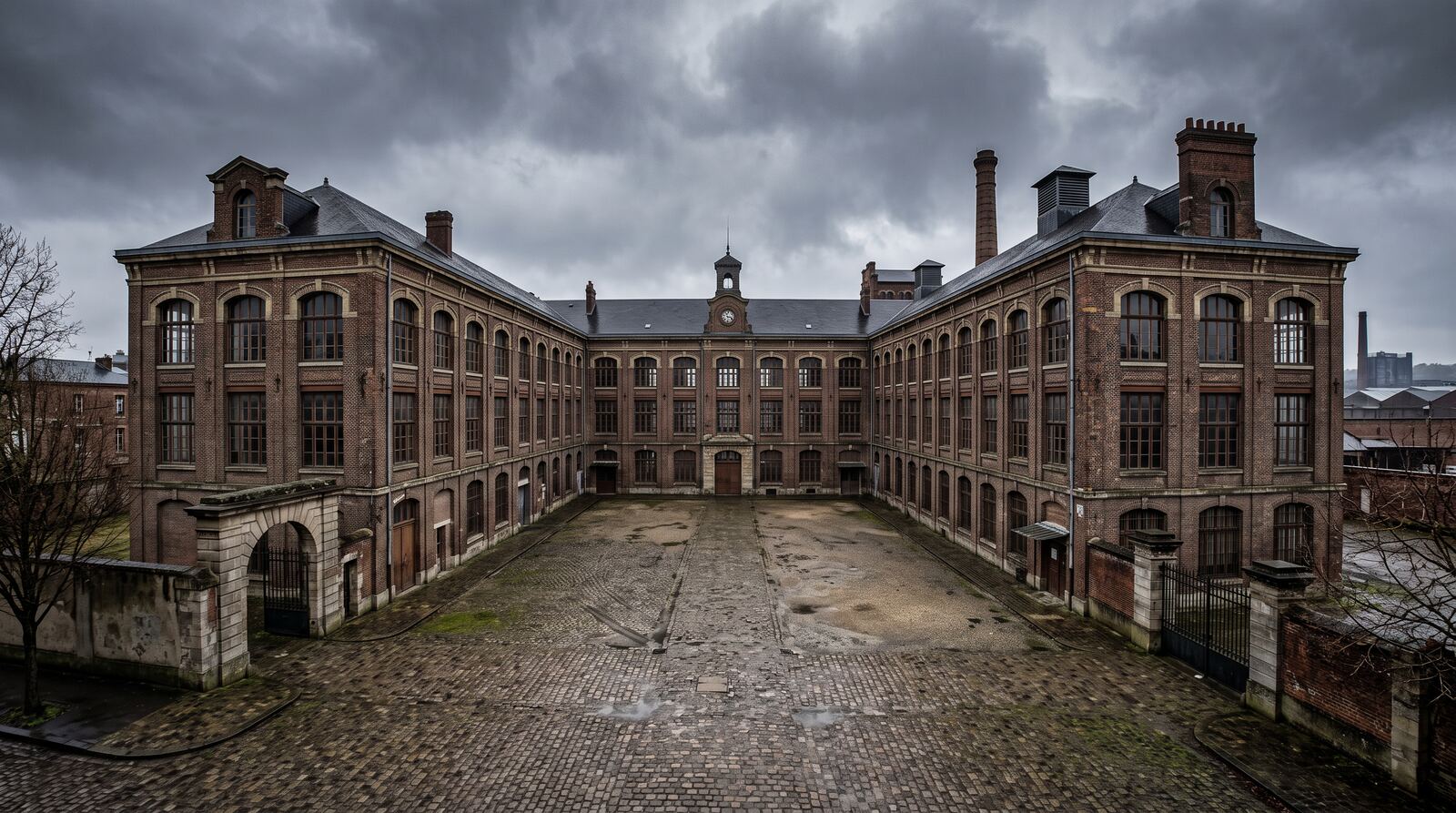
For more than three centuries the French state controlled tobacco, from the fields to the shop counter. SEITA was the last great chapter of that monopoly and the maker of France's most famous cigarettes.
Jean Nicot and Early Tobacco
Tobacco reached France in the 16th century. Jean Nicot, the French ambassador in Lisbon, sent it to the court around 1560, and his name lives on in the plant's scientific name, Nicotiana, and in the word nicotine.
The Royal Monopoly
In 1674, under Louis XIV and his minister Colbert, the crown created a tobacco monopoly to raise revenue. It was abolished during the Revolution and restored by Napoleon in 1810, after which the state manufactured tobacco in a network of large factories, the manufactures des tabacs, across France.
The Birth of SEITA
In the 20th century the monopoly was reorganized into a public company. It took the name SEITA, Société d'exploitation industrielle des tabacs et des allumettes, as it also controlled matches. SEITA made cigarettes, cigars, pipe tobacco and matches, and launched Gauloises and Gitanes in 1910 under its predecessor administration.
Tabacs and Tobacco Growing
Under the monopoly, French farmers grew tobacco under state contracts, particularly dark tobacco in the southwest, and sales were reserved to licensed tobacconists, the débits de tabac. That retail system survives today in the bureau de tabac.
Opening Up the Market
European Community rules required member states to open their tobacco markets, and France gradually ended the manufacturing and import monopoly. SEITA was privatized in the 1990s.
Altadis and Imperial
In 1999 SEITA merged with Spain's Tabacalera to form Altadis, a major player in cigarettes and cigars. In 2008 Altadis was acquired by Imperial Tobacco, now Imperial Brands. Read the Spanish side of the story on Cigars Spain.
The End of French Factories
The historic manufactures closed one by one. Several have been converted into universities, cultural centers and housing, preserving some of France's finest industrial architecture.
Key Dates
| Year | Event |
|---|---|
| c. 1560 | Jean Nicot sends tobacco to the French court |
| 1674 | Royal tobacco monopoly created |
| 1810 | Napoleon restores the state monopoly |
| 1910 | Gauloises and Gitanes launched |
| 1990s | SEITA privatized |
| 1999 | Merger with Tabacalera forms Altadis |
| 2008 | Altadis acquired by Imperial Tobacco |
Frequently Asked Questions
What does SEITA stand for?
Société d'exploitation industrielle des tabacs et des allumettes, the French state tobacco and match company.
Who owns SEITA now?
SEITA merged into Altadis in 1999, which became part of Imperial Tobacco (Imperial Brands) in 2008.
When did the French tobacco monopoly begin?
In 1674, under Louis XIV.
Who was Jean Nicot?
The French diplomat who sent tobacco to the French court around 1560; nicotine is named after him.
What brands did SEITA make?
Most famously Gauloises and Gitanes.