Brand History
Gitanes and Gauloises: The French Icons
Gitanes and Gauloises were both launched by the French state tobacco monopoly in 1910, became famous for their strong dark tobacco and iconic packets, and are now owned by Imperial Brands and made outside France.
Updated · Cigars France Editorial Team
The SEITA Story →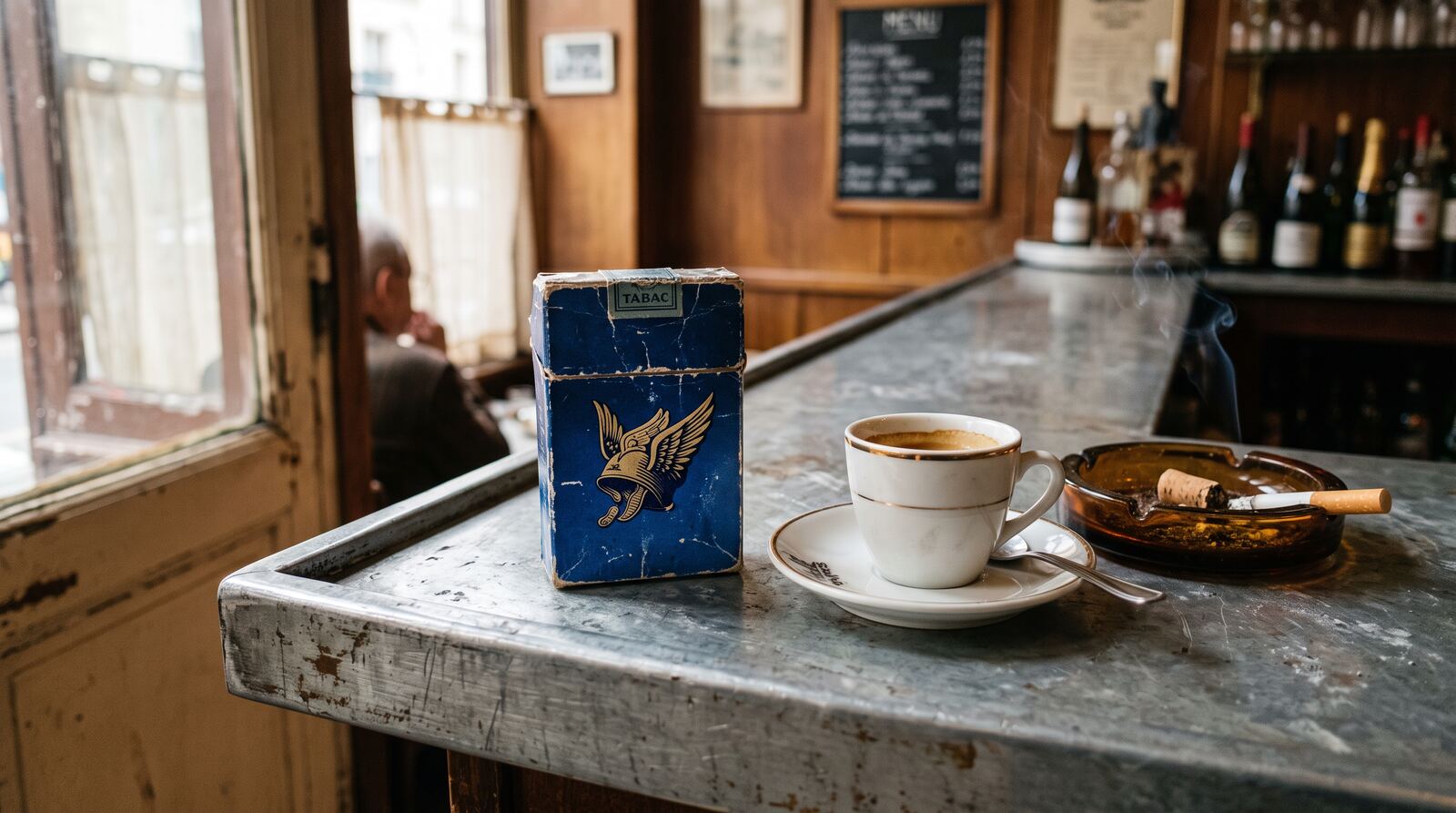
Few products are as tied to French identity as Gitanes and Gauloises. For much of the 20th century they were the cigarettes of artists, writers, workers and soldiers, and their packets became design classics. This page explains their history for adult readers; it is not an endorsement of smoking.
Born in 1910
Both brands were introduced in 1910 by the French state tobacco monopoly, later known as SEITA. Gauloises was originally planned as "Hongroises," but the name was changed to evoke the Gauls, France's ancient inhabitants. Gitanes, meaning "gypsy women," was launched the same year.
Dark Tobacco
Traditional Gauloises and Gitanes Brunes were made from dark, air-cured and fire-cured tobaccos, giving a strong, pungent aroma very different from the blond Virginia tobacco used in American cigarettes. Short, unfiltered Gauloises were especially associated with this style. Over time both brands added lighter "blondes" versions as tastes changed.
The Packets
- Gitanes: the famous gypsy dancer first appeared on the packet in the 1940s, and in 1947 the designer Max Ponty refined her into the silhouette still used today.
- Gauloises: the soft pack in a distinctive shade of blue, with a winged Gaulish helmet, became a symbol of France.
Since 2017, French law has required plain packaging for cigarettes, so these designs no longer appear on packs sold in France.
Famous Smokers
Gauloises are linked with Jean-Paul Sartre, Albert Camus and Pablo Picasso, and the American painter Robert Motherwell used Gauloises packets in his collages. Gitanes are forever associated with the singer Serge Gainsbourg.
From SEITA to Imperial
SEITA was privatized in the 1990s and merged with Spain's Tabacalera in 1999 to form Altadis. In 2008 Altadis was acquired by Imperial Tobacco, now Imperial Brands, which owns both brands today. Read more in SEITA and the French tobacco monopoly.
No Longer Made in France
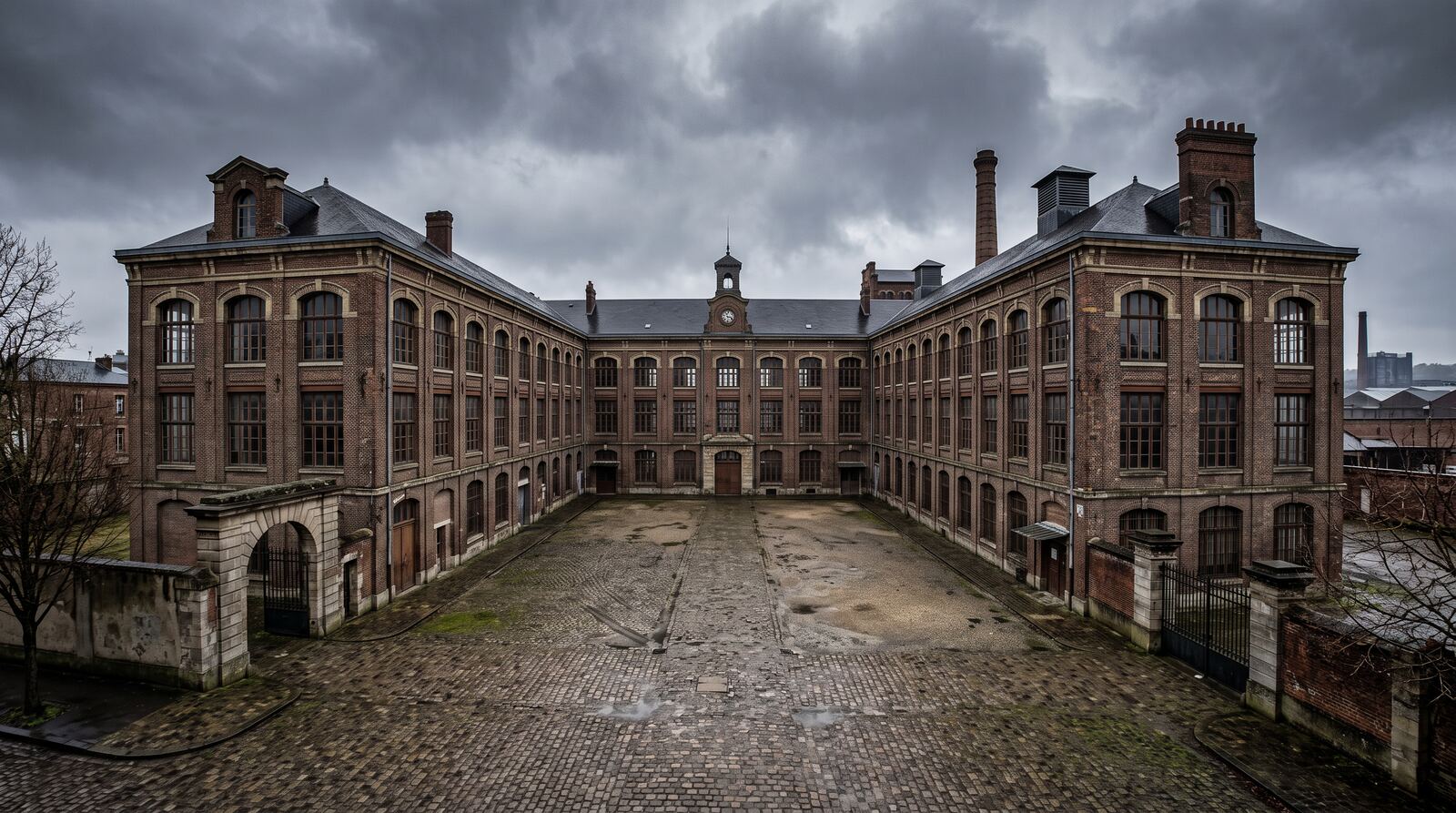
French production wound down over the following decades. Gauloises' factory in Lille closed in 2005, and the plant in Riom closed at the end of 2017. Production moved to other countries in Europe.
The 2016 Debate
In 2016, during the debate on plain packaging, the French government considered banning brands such as Gitanes and Gauloises because their image was seen as too glamorous. The proposal drew wide attention but did not lead to a ban.
Gitanes vs Gauloises
| Gitanes | Gauloises | |
|---|---|---|
| Launched | 1910 | 1910 |
| Name | "Gypsy women" | "Gaulish" |
| Classic style | Dark tobacco, strong | Dark tobacco, short and unfiltered |
| Symbol | Dancer silhouette | Winged helmet, French blue |
| Owner today | Imperial Brands | Imperial Brands |
Frequently Asked Questions
When were Gitanes and Gauloises created?
Both were launched by the French state tobacco monopoly in 1910.
Who owns Gauloises today?
Imperial Brands, which acquired Altadis, the successor of SEITA, in 2008.
Are Gauloises still made in France?
No. The last French plant, in Riom, closed at the end of 2017.
Why are Gauloises so strong?
Traditional Gauloises used dark tobacco, which is stronger and more pungent than blond Virginia tobacco.
Who designed the Gitanes dancer?
The silhouette was refined by Max Ponty in 1947.